
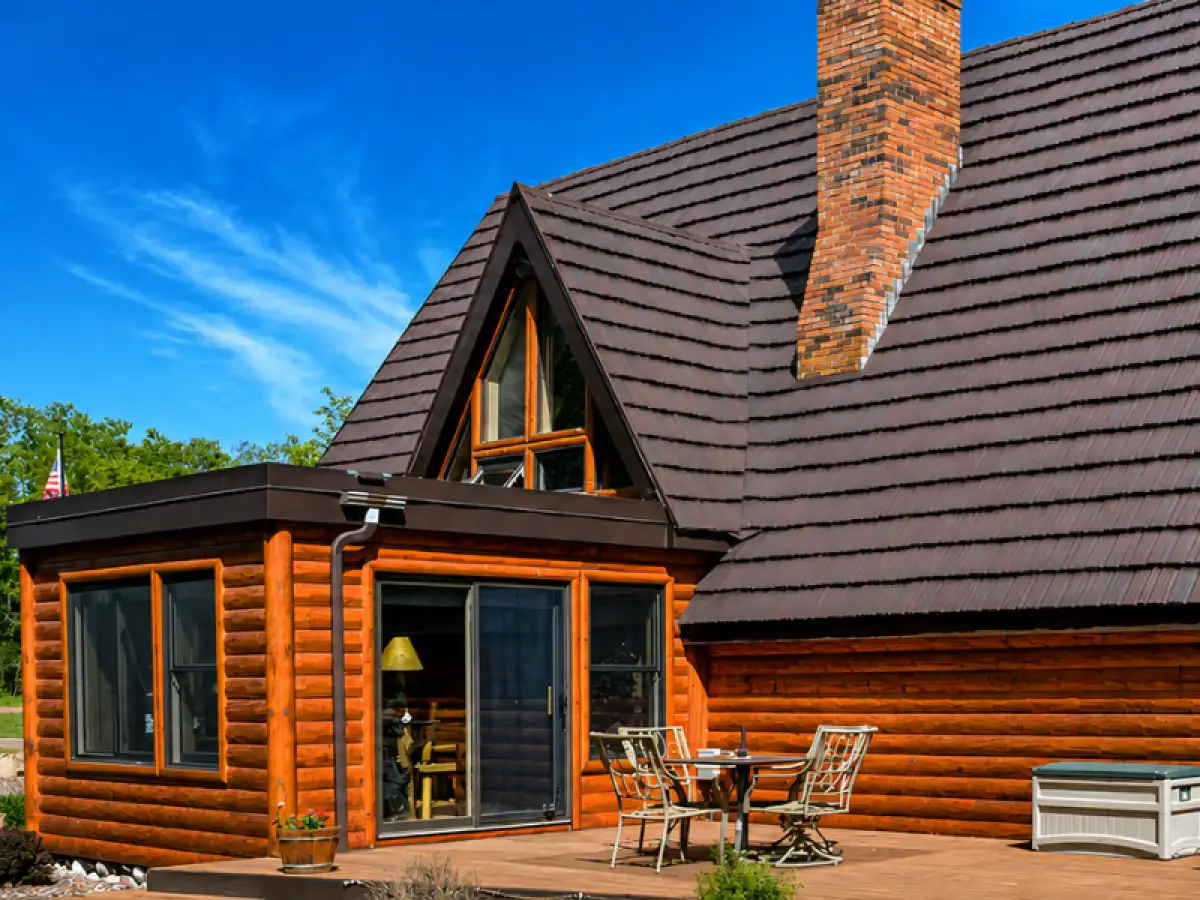
How Long Does a Metal Roof Last?
One of the biggest advantages of metal roofing is its lifespan. So, how long does a metal roof last?
A properly installed metal roof can often last 40 to 70 years or more, depending on the type of metal, coating, climate, maintenance, and installation quality. Some systems can last even longer under favorable conditions.
By comparison, asphalt shingle roofs commonly have shorter service lives, although their longevity varies depending on the shingle type, weather exposure, ventilation, and installation.
Metal roofing is not maintenance-free, but it can provide decades of service when installed and maintained correctly. Periodic inspections can help identify damaged panels, loose fasteners, deteriorated sealants, or flashing problems before they become larger issues.
What Goes Into Installing Metal Roofing?
Installing metal roofing involves considerably more than placing panels over the existing roof. The roofing system needs to be prepared properly before the metal panels are installed.
The process may include:
- Roof inspection and preparation
- Removal of existing roofing when necessary
- Installation of underlayment
- Installation of flashing
- Panel measurement and layout
- Metal panel installation
- Fastener placement
- Ridge, edge, and penetration details
- Ventilation considerations
- Final inspection
Every roof is different, so installation requirements can vary based on the roof’s design, slope, existing materials, local building requirements, and the specific metal roofing system being used.
How to Put Up a Metal Roof Properly
If you’re researching how to put up a metal roof, panel placement is only one part of the process. The roof deck must first be inspected to ensure it can support the new roofing system and is free from significant damage.
Underlayment is then installed according to the roofing manufacturer’s requirements. This layer provides an additional barrier against moisture beneath the metal panels.
Flashing is another critical component. Areas around chimneys, vents, skylights, valleys, walls, and roof edges require carefully planned flashing to direct water away from vulnerable areas.
Once these components are ready, the panels can be measured, aligned, and installed according to the manufacturer’s specifications.
How to Attach Metal Roofing Without Creating Leaks
Knowing how to attach metal roofing correctly is essential for long-term performance. Metal panels naturally expand and contract as temperatures change, so the fastening system must account for this movement.
Fasteners need to be positioned according to the specific panel design and manufacturer’s instructions. Incorrect placement, over-tightening, under-tightening, or using the wrong fasteners can create problems such as water intrusion, panel movement, or premature deterioration.
Some metal roofing systems use exposed fasteners, while others use concealed fastening systems. Each requires specific installation techniques.
Sealants and closures may also be used in areas where additional protection is needed. These details are particularly important around seams, penetrations, edges, and transitions between roofing materials.
Why Flashing and Underlayment Matter
Two components homeowners may not notice after installation are underlayment and flashing. Even though they remain largely out of sight, they play an important role in keeping the roofing system watertight.
Underlayment provides an additional moisture barrier beneath the metal panels. Flashing helps direct water around areas where the roof intersects with other structures or penetrations.
A metal roof can have high-quality panels but still experience leaks if these supporting components are improperly installed.
That is why installation should focus on the entire roofing system rather than simply the visible metal panels.
Are Metal Roofs Better Than Asphalt Shingles?
A common question homeowners ask is, are metal roofs better than other roofing materials?
There is no single answer for every property. Metal roofing can offer several advantages, including a long service life, durability, resistance to many weather conditions, and potential energy-efficiency benefits.
Metal roofs can also reflect more solar energy than some traditional roofing materials, depending on the type of metal and coating selected. This may help reduce heat absorption during warmer weather.
However, metal roofing typically has a higher upfront cost than basic asphalt shingles. Homeowners should consider both initial installation costs and long-term ownership when comparing roofing systems.
What Does Installing Metal Roofing Cost?
The cost of installing metal roofing depends on several factors, so there is no universal price.
Important considerations include:
- Roof size and complexity
- Metal type and gauge
- Panel style
- Existing roof removal
- Underlayment requirements
- Flashing and ventilation
- Roof deck repairs
- Labor
- Local building requirements
- Manufacturer specifications
A simple roof with easy access may have different installation costs than a large roof with multiple valleys, dormers, chimneys, and penetrations.
Homeowners should compare detailed proposals rather than choosing a roofing system based solely on the lowest price.
Protect Your Manufacturer Warranty
Metal roofing manufacturers provide installation requirements for their products. These specifications can cover everything from approved fasteners to panel spacing, flashing, underlayment, and installation methods.
Following these requirements is important for proper roof performance and may also be necessary to preserve applicable manufacturer warranty coverage.
This is one reason professional installation is valuable. A qualified roofing crew can work with the manufacturer’s specifications and ensure the roofing system is installed according to applicable requirements.
Why Professional Installation Matters
Metal roofing is a major investment, and installation mistakes can be costly to correct. Problems with fasteners, panel alignment, flashing, underlayment, or roof penetrations can eventually result in leaks and other damage.
A qualified roofing crew can evaluate the existing roof, identify potential issues, coordinate the installation process, and complete the project according to the requirements of the selected roofing system.
Professional installation can also help homeowners avoid mistakes that could affect the roof’s performance, appearance, or applicable warranty coverage.
Is Metal Roofing Right for Your Home?
Installing metal roofing can be a smart long-term option for homeowners who prioritize durability, longevity, and reduced replacement frequency. While the upfront investment may be higher than some asphalt roofing options, a metal roof can provide decades of service when properly selected, installed, and maintained.
Before making a decision, consider your home’s structure, budget, climate, roof design, desired appearance, and long-term plans for the property.
Most importantly, focus on proper installation. A quality metal roofing system depends on more than the panels themselves. Underlayment, flashing, fastening, ventilation, layout, and attention to manufacturer specifications all contribute to a watertight and long-lasting roof.
For homeowners considering installing metal roofing, working with an experienced roofing crew can help ensure the system is fitted correctly from the start and protect the value of this significant home improvement investment.
